Any amount spent in order to purchase or sell goods or services that generates revenue in the business is called expenses. The Cash Account will be decreased with the amount paid as expenses, so it will be credited and Expenses will be debited. The process of recording transactions in the journal is called Journalising and recorded transactions are called Journal Accounting for Technology Companies Entries. Here is an additional list of the most common business transactions and the journal entry examples to go with them. Now that these transactions are recorded in their journals, they must be posted to the T-accounts or ledger accounts in the next step of the accounting cycle.
Amount Paid or Received in Full/Final Settlement:
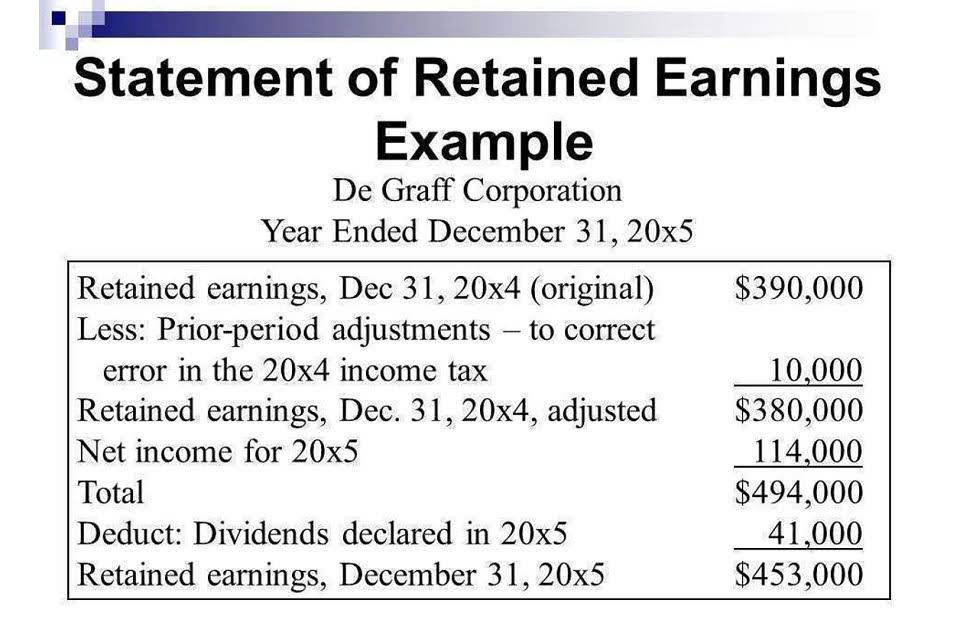
This type of journal entry records things like sales, purchases, and expenses. A journal entry is a record of a financial transaction in an accounting system. It specifies the date, accounts involved, and amounts to be debited and credited, ensuring that debits equal credits. Each entry also includes a brief description of the transaction, maintaining accurate and traceable financial records. In the past, every transaction requires the journal entry with debit and credit before it can be processed further to appear in retained earnings the general ledger and the trial balance.
Understanding the Basics of Debits and Credits
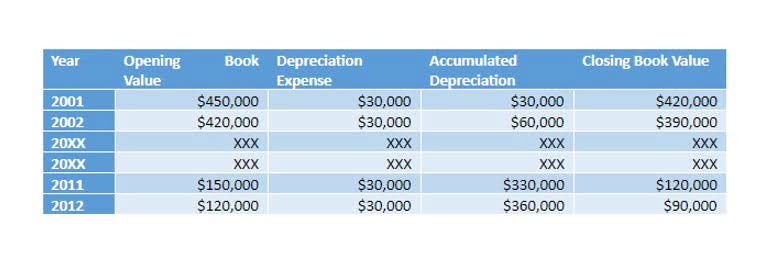
With the advent of computerized accounting systems, the use of physical books of accounts was recording transactions in a journal virtually eliminated. Electronic spreadsheets and even cloud-based databases became mainstream while physical records were already considered a thing of the past. Depreciation is the reduction in the value of fixed assets due to wear and tear, continuous usage or application of new technology. An accumulated depreciation account helps you to maintain the depreciation provision in your journal entries. In a journal entry, you record the details of the transaction, while in a ledger entry, you summarize and organize them. Secondly, pay close attention to the details when entering information into your journal.
- Journal entries are important because they are the basis of your financial statements.
- Grocery stores of all sizes must purchase product and track inventory.
- This is posted to the Cash T-account on the credit side beneath the January 14 transaction.
- Rather than use the main equity account, we use an account specifically for tracking withdrawals by the owner.
- However, this type of recordkeeping isn’t convenient for larger trading or manufacturing companies.
- But before transactions are posted to the T-accounts, they are first recorded using special forms known as journals.
Step 2: Identify the accounts
- Recall that the general ledger is a record of each account andits balance.
- By regularly reviewing these statements, you gain valuable insights into how well your business is performing financially.
- Our GST Software helps CAs, tax experts & business to manage returns & invoices in an easy manner.
- Not only is it tedious and time-consuming, but manually recording entries will likely lead to making a ton of accounting errors.
- With this in mind, most modern law firms have moved beyond manual accounting entries—turning instead to accounting software to assist.
- A unique reference number for each transaction makes the entry easy to identify later.
An income that has not been earned yet, but has been received in advance is called Unearned Income. In this case, only a single entry is passed because interest is directly received. In this case, only a single entry is passed because interest is directly paid. Sometimes insured goods are lost by fire, theft, or any other reason. There can be three cases related to the loss of insured goods or assets. Depreciation is the decrease in the value of assets due to use or normal wear and tear.
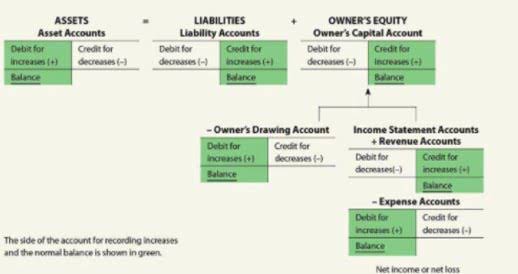
How to record a journal entry.
This course covers the basic procedures involved in recording financial entries in Journals and Ledgers. Upon completing this course, you will be able to analyze and record various business transactions. You will also learn about the accounting cycle, posting transactions, accrual accounting, and cash accounting. You will also have the opportunity to practice these skills through a series of activities that provide real world experience. In the journal entry, Dividends has a debit balance of $100.This is posted to the Dividends T-account on the debit side. You will notice that the transactions from January 3,January 9, and January 12 are listed already in this T-account.